
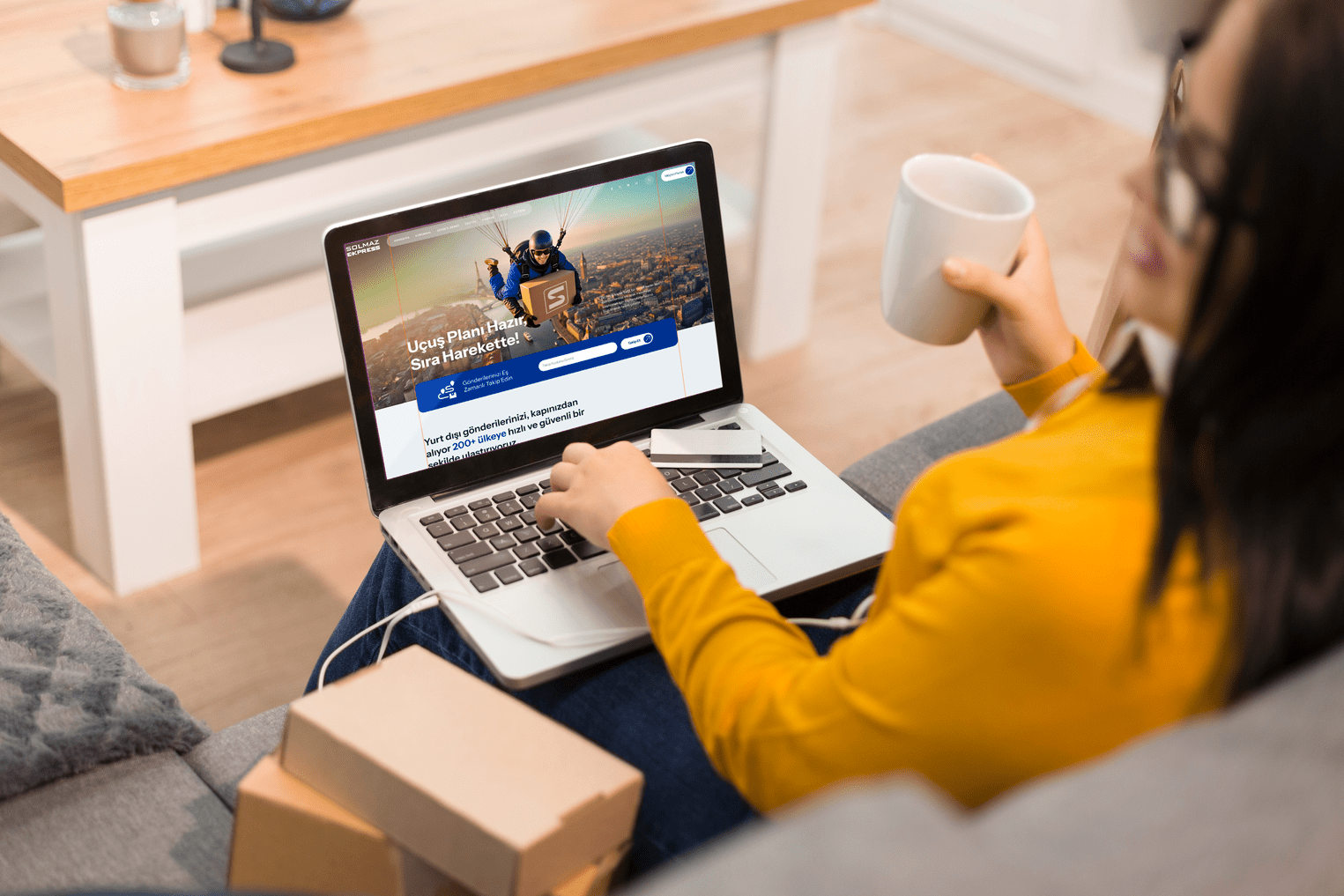
It is now much easier for small businesses and individual entrepreneurs to expand abroad. It’s possible to send products abroad with online sales, without going to customs brokers or dealing with complex paperwork. So, what is micro-export? Who can do it? How does it work? In this article, we explain all the details.
What is Micro-Export?
Micro-export is the sale of shipments abroad that do not exceed 300 kg and 15,000 Euros, facilitated by the ETGB (Electronic Customs Declaration) – formerly known as Electronic Trade Customs Declaration – and now BGB (Simplified Customs Declaration). Its difference from traditional export is that it can be carried out with simpler procedures and lower costs, without the need for a customs broker. In micro-export, the shipping process is done digitally via the BGB (Simplified Customs Declaration). This offers significant advantages in terms of both time and bureaucracy.
What Are the Conditions for Micro-Export?
For shipments to be considered micro-export, they must meet the following criteria:
-
The invoice value must not exceed 15,000 Euros.
-
The weight must not exceed 300 kg.
-
The foreign currency equivalent of the goods’ value must be brought into the country.
-
Transactions must be processed with BGB (Simplified Customs Declaration).
-
Shipment must be made through authorized fast cargo operator companies.
Who Can Do Micro-Export?
- SMEs engaged in e-commerce
- Women's cooperatives
- Entrepreneurs selling handmade products
- Those doing dropshipping or selling on marketplaces like Amazon, Etsy
- Individual entrepreneurs with sole proprietorships
In short, you don’t need to be a large company. Micro-export is one of the easiest ways for small-scale producers and sellers to enter the global market.
How is Micro-Export Done?
-
Obtain a Tax Plate: To engage in micro-export, you must own a company (sole proprietorship, limited company, etc.).
-
Issue an Invoice: You must issue an e-archive or e-export invoice addressed to the foreign buyer.
-
BGB Process: The BGB, which replaces the customs declaration, is digitally arranged by the cargo company through the system.
-
Shipment & Tracking: Your package is dispatched, and the process is complete when it reaches the recipient.
Advantages of Micro-Export
- No need for a customs broker.
- VAT refunds can be claimed.
- Customs procedures take less time.
- State supports and incentives can be utilized.
- It is a low-cost model suitable for e-export.
- It facilitates the entry of small-scale producers into the global market.
Things to Consider in Micro-Export
-
Check the list of prohibited products in advance.
-
Be careful not to exceed the limits compatible with BGB.
-
Perform packaging and labeling meticulously.
-
Ensure customer information is entered correctly.
-
Provide regular updates to the recipient by tracking the cargo.
Micro-export makes it possible to sell abroad even without high-volume transactions. It offers a fast, low-cost, and easily implementable solution, especially for small businesses involved in e-commerce. If you want to deliver your products to the world, micro-export can be a strong starting point for you.
With Solmaz Express, save both time and cost on your micro-export shipments. Get a quote now and discover the easiest way to expand globally!